The Powerful Meaning of Eclipse of the Moon You Need to Know
If you’ve ever searched for the deeper meaning of eclipse of the moon, you’re not alone. A lunar eclipse is more than a beautiful night sky event—it carries layers of symbolism, emotion, and spiritual reflection. When the Moon darkens and turns red, it feels like something within us shifts too. Across history and cultures, people have interpreted this moment as a sign of change, release, and transformation. In this guide, we’ll explore what it truly means—and why it feels so powerful.
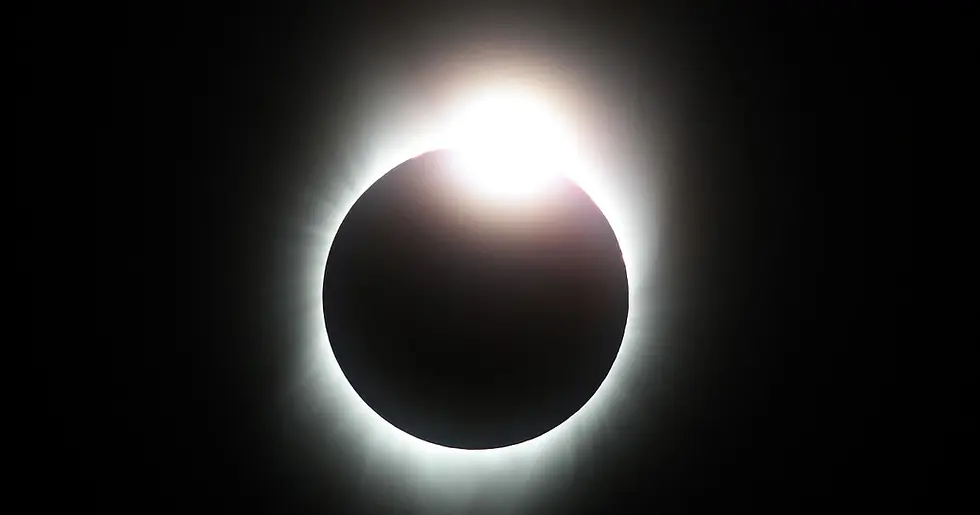
The Deeper Meaning of Eclipse of the Moon
To understand the true meaning of eclipse of the moon, we need to look beyond the science and into what the Moon represents in human consciousness. The Moon has always symbolized emotions, intuition, and the hidden parts of ourselves. When it becomes shadowed during a lunar eclipse, it’s often interpreted as a moment when those hidden layers are brought to the surface.
Unlike a solar eclipse, which feels sudden and intense, a lunar eclipse unfolds slowly. You can watch it happen in real time—the gradual dimming, the deep red glow, the quiet transformation. This slow progression creates space for reflection, making it feel deeply personal.
I remember watching a lunar eclipse alone one night. As the Moon darkened, everything felt quieter—not just outside, but inside me too. It wasn’t dramatic. It was subtle, almost like a gentle nudge to pause and think.
That’s the essence of the meaning of eclipse of the moon—it invites you inward. It’s less about external change and more about internal awareness.
Why the Moon Symbolizes Emotion
In many traditions, the Moon is connected to feelings, instincts, and subconscious patterns. When it changes, we feel it on a deeper level.
The Symbolism of Shadow and Light
The Earth’s shadow covering the Moon represents hidden truths coming into view. It’s a metaphor for facing what we often avoid.
Historical and Cultural Interpretations
The meaning of eclipse of the moon has been interpreted in many ways throughout history. Different cultures saw lunar eclipses as powerful signs, often tied to fate, transformation, or cosmic balance.
What’s fascinating is that, despite differences in belief systems, many interpretations share common themes: change, warning, and renewal.
In ancient times, people didn’t understand the science behind eclipses. The sudden darkening of the Moon felt mysterious and sometimes frightening. But over time, these events became woven into cultural stories and spiritual practices.
Ancient Beliefs Around Lunar Eclipses
In some cultures, a lunar eclipse was seen as a sign of conflict or imbalance
Others believed it marked a time for cleansing or renewal
In Hindu tradition, eclipses are linked to karma and spiritual purification
These interpretations gave meaning to an otherwise unexplained phenomenon.
The Evolution of Meaning Over Time
As science advanced, fear gave way to understanding. But the symbolic meaning didn’t disappear—it evolved. Today, many people still look to the meaning of eclipse of the moon for personal insight rather than prediction.
Spiritual Meaning of Eclipse of the Moon Today
In modern spirituality, the meaning of eclipse of the moon is often associated with release, closure, and emotional clarity. It’s seen as a time to let go of what no longer serves you.
Unlike new beginnings (often linked to solar eclipses), lunar eclipses are about endings. But not in a negative way—in a necessary, freeing way.
Think of it like cleaning out a space in your life. You’re making room for something new by releasing what’s already complete.
Letting Go and Emotional Release
Many people use lunar eclipses as a time to reflect on what they need to release—old habits, relationships, or thoughts that hold them back.
Gaining Clarity and Awareness
Because the Moon represents intuition, its eclipse can bring hidden feelings into awareness. It’s a moment of emotional honesty.
The meaning of eclipse of the moon in this context becomes a tool for personal growth.

Why Lunar Eclipses Feel So Personal
There’s something uniquely intimate about a lunar eclipse. Unlike a solar eclipse, which can feel overwhelming, a lunar eclipse feels quiet and reflective.
Part of this comes from the setting—it happens at night, under a calm sky.
There’s no rush, no sudden darkness. Just a gradual shift that invites you to slow down.
But there’s also a psychological element. Watching the Moon change over time mirrors internal change. It feels relatable, almost human.
The Power of Slow Transformation
The gradual nature of a lunar eclipse makes it easier to process emotionally. You’re not shocked—you’re guided through change.
A Moment of Stillness in a Busy World
In a world that rarely pauses, a lunar eclipse creates a natural moment of stillness. And in that stillness, meaning emerges.
This is why the meaning of eclipse of the moon often feels deeply personal—it aligns with your own pace of reflection.
How to Work With the Energy of a Lunar Eclipse
Understanding the meaning of eclipse of the moon is one thing—but applying it is where the real value lies. You don’t need rituals or complex practices. What matters is intention and awareness.
A lunar eclipse is an opportunity to check in with yourself. To ask: What am I holding onto? What am I ready to release?
It’s not about forcing change—it’s about allowing it.
Simple Practices During a Lunar Eclipse
Reflect on recent emotions or patterns
Write down what you want to let go of
Spend time in quiet observation
Focus on breathing and presence
These small actions can deepen your connection to the moment.
Embracing Change Without Fear
One of the most important lessons of the meaning of eclipse of the moon is that endings are not something to fear—they are part of growth.
There’s something timeless about watching the Moon slowly transform in the night sky. It’s quiet, subtle, and deeply meaningful.
The meaning of eclipse of the moon isn’t just found in ancient stories or spiritual beliefs—it’s found in how you experience it. In the thoughts that surface, the emotions that shift, and the clarity that follows.
And when the Moon returns to its full brightness, you might notice something has changed—not in the sky, but within you.
Stay tuned for more updates:


Comments