Why Do Solar and Lunar Eclipses Look So Different?
If you’ve ever wondered what is the difference between the solar and lunar eclipse, you’re not alone. At first glance, both events involve shadows and alignment—but visually, they couldn’t feel more different. One turns day into night in seconds, while the other slowly paints the Moon red. These differences aren’t random—they’re rooted in how light, position, and perspective work in space. In this guide, we’ll break everything down simply so you can truly understand why these eclipses look so unique.
The Core Difference Between Solar and Lunar Eclipses
To understand what is the difference between the solar and lunar eclipse, we need to start with the basic alignment of the Sun, Earth, and Moon. Both events involve these three bodies—but their positions change everything.
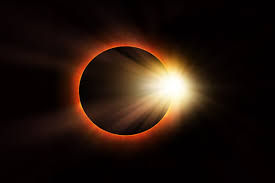
A solar eclipse happens when the Moon moves between the Earth and the Sun, casting a shadow on Earth. A lunar eclipse happens when the Earth moves between the Sun and the Moon, casting its shadow on the Moon.
This might sound like a small difference—but it completely changes how we experience each event.
I once explained this to someone who had seen both types of eclipses. They said, “So it’s like the same setup—but flipped?” Exactly. That simple shift creates entirely different visuals, timing, and emotions.
The most important takeaway in understanding what is the difference between the solar and lunar eclipse is perspective. Where you stand—and what is being shadowed—defines everything.
Solar Eclipse: Moon Blocks the Sun
The Moon passes in front of the Sun, blocking sunlight and creating darkness on Earth.
Lunar Eclipse: Earth Blocks the Sun
The Earth’s shadow falls on the Moon, causing it to darken or turn red.
Why Solar and Lunar Eclipses Look So Different
One of the most fascinating parts of what is the difference between the solar and lunar eclipse is how dramatically different they appear, even though both involve shadows.
A solar eclipse feels fast, intense, and almost shocking. The light fades quickly, shadows sharpen, and during totality, the sky darkens in a way that feels unnatural.
A lunar eclipse, on the other hand, is slow and calm. The Moon gradually darkens, often turning a deep red, creating a peaceful and almost meditative experience.
Speed and Duration Differences
Solar eclipses happen quickly, with totality lasting only minutes
Lunar eclipses unfold slowly and can last for hours
This difference in timing changes how we experience each event.
Light and Color Effects
Solar eclipses create sudden darkness
Lunar eclipses create a reddish glow
These visual differences come from how light is blocked and filtered.

The Science Behind Their Visual Differences
To fully understand what is the difference between the solar and lunar eclipse, we need to look at how light behaves in each scenario.
During a solar eclipse, the Moon blocks direct sunlight. This creates a sharp shadow on Earth, leading to sudden darkness.
During a lunar eclipse, sunlight passes through Earth’s atmosphere before reaching the Moon. This process filters out shorter wavelengths of light, leaving behind red tones.
Why the Moon Turns Red
This effect, called Rayleigh scattering, is the same reason sunsets appear red. The Earth’s atmosphere bends and filters sunlight, casting a reddish glow on the Moon.
Why Solar Eclipses Feel Darker
Because the Sun is our main light source, blocking it creates an immediate and dramatic drop in brightness.
These scientific details explain the striking contrast in what is the difference between the solar and lunar eclipse.
Visibility and Viewing Experience
Another key aspect of what is the difference between the solar and lunar eclipse is how and where you can see them.
Solar eclipses are visible only in specific areas. If you’re not in the path of the Moon’s shadow, you won’t see the full effect.
Lunar eclipses, however, are visible from anywhere on the night side of Earth.
Where You Can See Each Eclipse
Solar eclipse: Limited to a narrow path
Lunar eclipse: Visible across half the Earth
This makes lunar eclipses more accessible.
Safety Differences
Solar eclipses require eye protection
Lunar eclipses are safe to view with the naked eye
This practical difference is important for viewers.
Emotional and Environmental Impact
Beyond science, one of the most interesting parts of what is the difference between the solar and lunar eclipse is how they make us feel.
Solar eclipses often feel intense and dramatic. The sudden darkness can be surprising, even emotional.
I once stood in a crowd during a total solar eclipse, and when the Sun disappeared, everyone went silent. It felt like time stopped.
Lunar eclipses, in contrast, feel calm and reflective. Watching the Moon slowly change color creates a peaceful atmosphere.
Solar Eclipse: Intense and Dramatic
Sudden darkness
Rapid environmental changes
Strong emotional reactions
Lunar Eclipse: Calm and Gradual
Slow progression
Gentle color changes
Relaxing viewing experience
These emotional differences are a big part of why the two eclipses feel so distinct.
Why Both Eclipses Are Equally Fascinating
Even though they look different, both types of eclipses share a common foundation. Understanding what is the difference between the solar and lunar eclipse helps you appreciate both events more deeply.
Each offers a unique perspective on how light, shadow, and motion interact in space.
Two Sides of the Same Phenomenon
Both eclipses are caused by alignment—but the perspective changes the experience.
A Reminder of Cosmic Precision
Eclipses show how precise the universe is. Everything must align perfectly for them to occur.
There’s something magical about watching the sky change, whether it’s the sudden darkness of a solar eclipse or the quiet glow of a lunar one.
Understanding what is the difference between the solar and lunar eclipse doesn’t take away that magic—it deepens it.
Because once you know what’s happening, you don’t just see the difference—you feel it.
And in those moments, whether fast or slow, bright or dark, you realize you’re witnessing something extraordinary.
Stay tuned for more updates:

Comments